

Menu
Install the app
Keep Talk Jesus close
IPHONE · SAFARI
A place on your Home Screen.
Open Talk Jesus in Safari, then follow these four steps.
Step 1 of 4
Missing the Home Screen action? Look under Edit Actions. If you opened this page inside another app, first open it in Safari.
Apple’s installation guide ↗You are using an out of date browser. It may not display this or other websites correctly.
You should upgrade or use an alternative browser.
You should upgrade or use an alternative browser.
DNA Proves God 3-9-25
- Thread starter MedicBravo
- Start date
Share this thread
DNA Proves God 3-9-25
Scan with your phone’s camera.

Dylan569
Active
MedicBravo, I apologize if this is not to the point of your OP, but I don't go to online videos; but maybe this will be of interest however it fits.
"I've been watching a lot of reality crime series where DNA helped solve cold cases. I don't know the point of your post, but there is an interesting article on Foxnews.com this morning. It starts out:
Bryan Kohberger case: FBI’s DNA tactics didn’t violate law, but they raise another public safety concern
Genetic genealogist CeCe Moore says police use of IGG has overwhelming public support, but investigators must maintain ethics to keep it that way
With great investigative power, genetic genealogists have a great responsibility to conduct themselves ethically to preserve a system that is entirely reliant on public participation to solve violent crimes, according to CeCe Moore, a pioneer of the industry and the chief genetic genealogist at Parabon NanoLabs.
The use of investigative genetic genealogy (IGG) to solve violent crimes has overwhelming public support, she said, but privacy concerns are still an issue in cases like University of Idaho student murders suspect Bryan Kohberger's, where the FBI accessed two databases that purport to exclude law enforcement from their services. As a result, unwitting users could be submitting clues that lead detectives to their own relatives without knowing it."
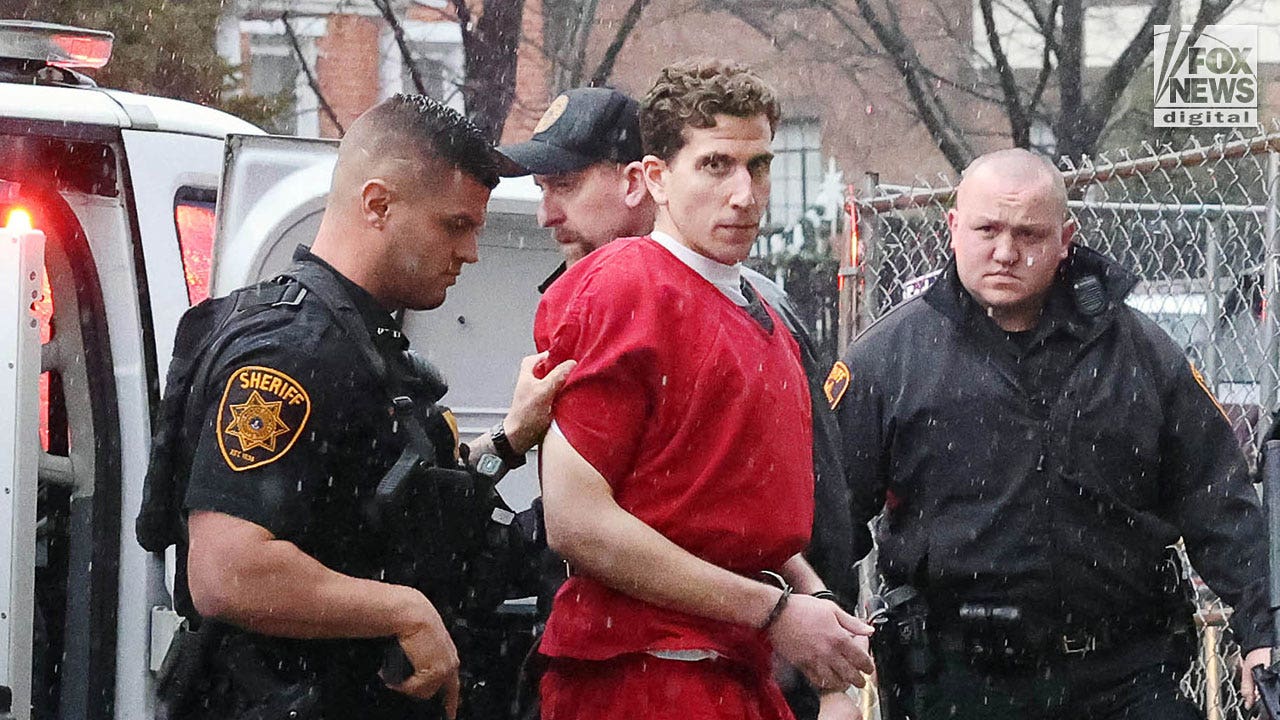
Bryan Kohberger case: FBI’s DNA tactics didn’t violate law, but they raise another public safety concern
IGG evidence in the Bryan Kohberger investigation was obtained controversially but legally. Expert CeCe Moore explains why there are lingering concerns.
 www.foxnews.com
I did a search about the security measures in place and this seems to be an overview:
23andMe - Resists law enforcement requests; complies with court orders.
AncestryDNA -Requires valid legal process; notifies users before data release.
MyHeritage - Prioritizes user privacy; resists law enforcement access.
GEDmatch - Allows law enforcement uploads for specific cases; users must opt-in.
DNA Justice - Nonprofit; users upload data voluntarily for specific investigations.
MedicBravo
Active
The point, for Christians and non's alike is there IS evidence of God and this is one of them.